Google Quantum AI & Across the Pond
3 min read
We’ve had a front row seat to one of the most significant scientific stories of our time
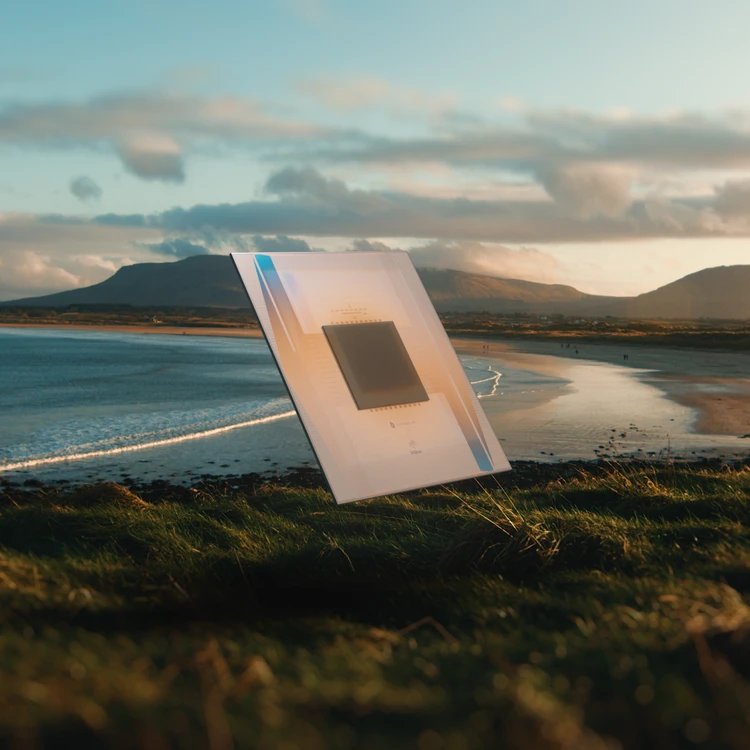
As agency partner to Google Quantum AI, we've documented their journey to Quantum Supremacy, helped launch the Willow Chip, and spent years figuring out how to communicate science that most people, including us at first, find genuinely hard to grasp.
Along the way, we've become superfans of a group of people intent on redefining physics and what computing is capable of.
We've also learned that breakthroughs don't come with their meaning baked in. Clarity and cultural relevance have to be built in the telling.
There is no one way of marketing quantum technology
Quantum sits in a unique place. The hardware is real and specific, but the implications are vast and still unfolding. Concepts like Error Correction matter enormously, but only if someone can explain why. We've had to set aside familiar formats and stay open to whatever approach actually works for the story we need to tell.
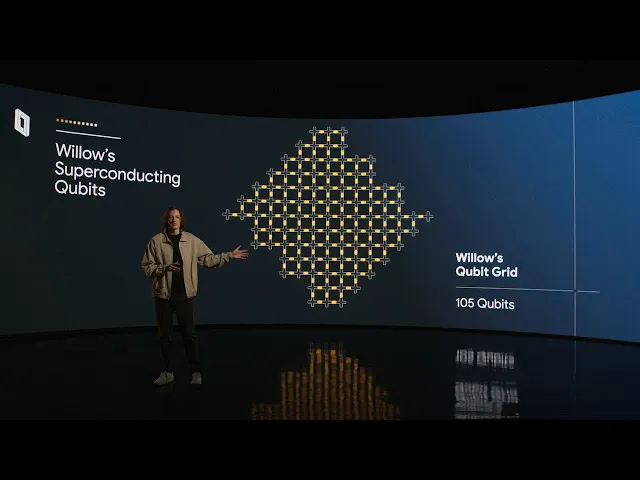
The Willow Chip announcement took the form of an immersive keynote, capturing the importance of the work for any audience while letting the scientists speak in detail about the science.
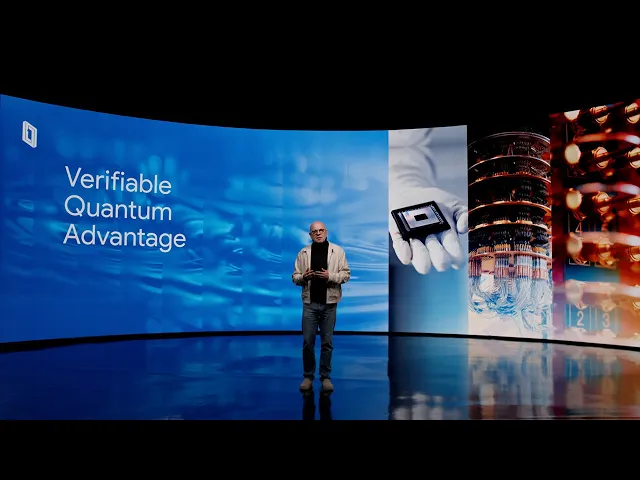
Quantum Echoes gave us the chance to build a bigger toolkit around another milestone
The hero film carried the weight of the announcement, freeing us to try other things alongside it: a documentary piece with Michel Devoret (an original architect of the breakthrough), and lighter, more playful assets like our Hard Quantum Words series. Each piece did one job well, rather trying to do everything.
The New York Times, Guardian, Bloomberg, Reuters and Financial Times all covered the launch. ABC News used our animation in their broadcast. Elon Musk commented on the X post. A genuinely complex breakthrough reached people who don't follow quantum science, and helped them to understand it.
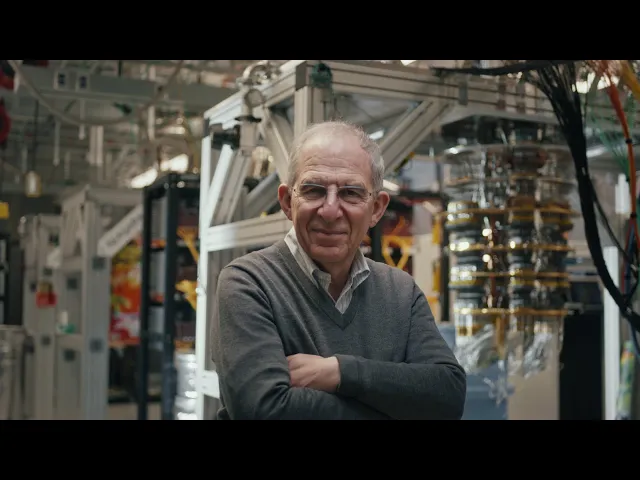
The storytelling has to work for different audiences
Not every audience comes to quantum the same way. Researchers want precision. General audiences need context, analogy and creativity. The challenge is doing both without losing either not oversimplifying, but not hiding behind jargon either.

Building the future of Quantum Computing
Quantum computing is moving toward real-world applications faster than most people realize. When it arrives in medicine, materials, climate and finance, it will be a mainstream story. The brands driving that shift will need to explain what they do, why it matters, and what it means for ordinary people.
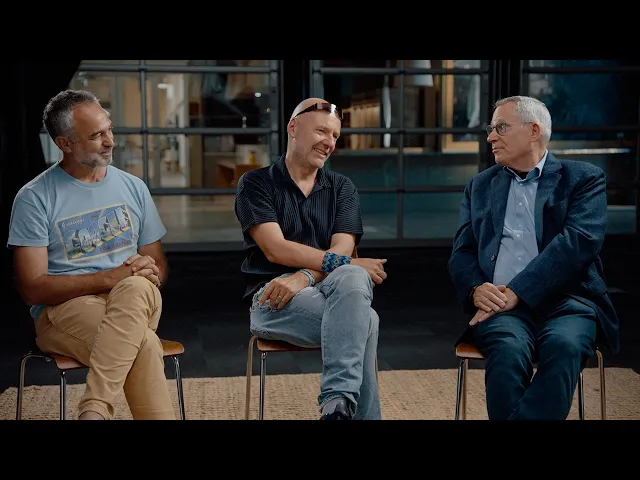
That's the work we're preparing for. Everything we've learned alongside Google Quantum AI is informing how we think about quantum communication as a field, and who we can help next.